

Dog Backpacking Gear
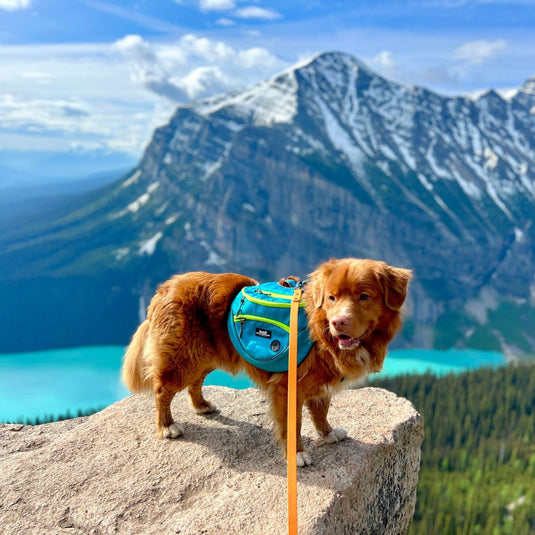
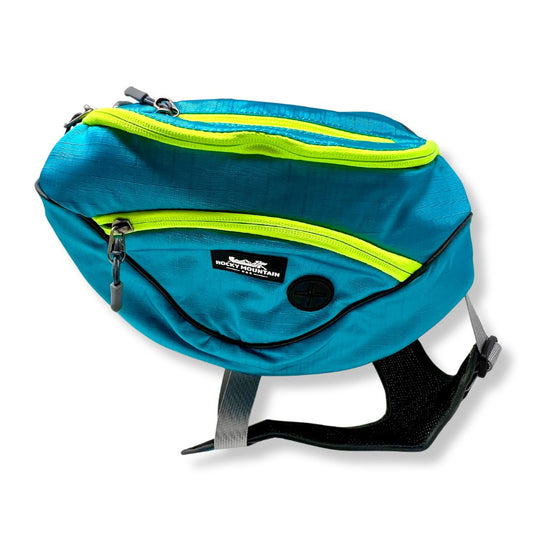
Whether you're tackling an overnight backpacking trek or venturing deep into the backcountry, the right gear can make every mile more enjoyable, for both you and your dog. Explore Rocky Mountain Dog's collection of backpacking gear designed to keep your adventure companion comfortable, safe, and ready for the journey ahead. From lightweight harnesses and durable leashes to portable bowls, sleeping gear, and backcountry essentials, we've got everything you need to explore farther together.
Planning your next backpacking adventure? Browse our backpacking guides for expert tips on training your dog for the trail, packing efficiently, choosing dog-friendly routes, and preparing for safe, memorable backcountry adventures together.
Explore All Dog Backpacking Gear




























How To Prepare Your Dog for Their First Backpacking Trip
Curious about how to prepare for longer adventures? Here’s some ideas about how to ready your dog for their first backpacking trip!
5 Pawsome Reasons Your Dog Needs a Harness
A harness gives you and your adventurous canine the freedom to explore safely and comfortably.


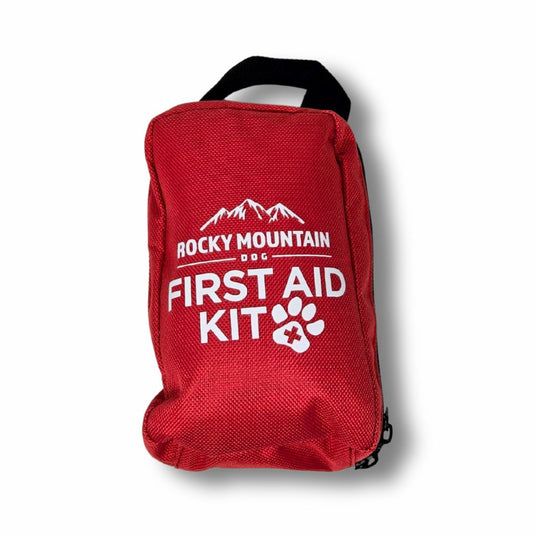
Dog Safety First Aid Field Guide and Safety Gear For Dogs
Most trail-related dog emergencies, including paw injuries, dehydration, and toxic plant ingestion, can be managed on the spot with the right kit and know-how.
Frequently Asked Questions
Yes! Most dogs can comfortably sleep in a backpacking tent with their owners. Bringing your dog inside the tent helps keep them warm, safe, and protected from the elements, insects, and wildlife overnight.
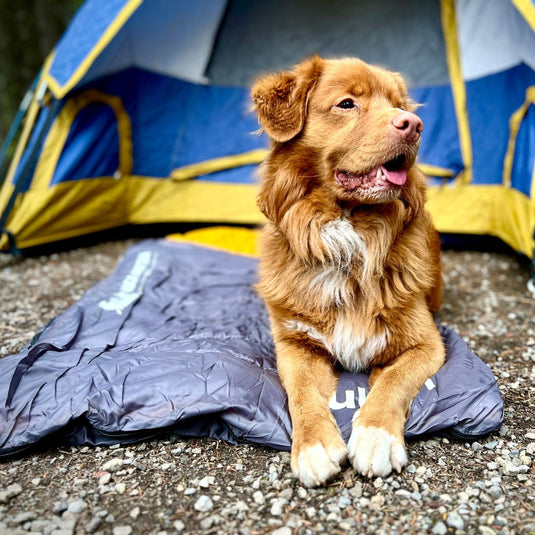
To help your dog settle in, bring a lightweight sleeping pad, blanket, or portable dog bed to create a familiar, insulated place to rest. Wipe off muddy paws before bedtime, make sure your dog has had plenty of water, and allow them to burn off energy before turning in for the night.
Before your trip, it's also a good idea to set up your tent at home or in the backyard so your dog can become familiar with the space. A little practice can help make your first backcountry night together much more comfortable for both of you.
Pack your dog's regular food in waterproof containers and bring slightly more than you expect to need. Active dogs often burn more calories on the trail and may require additional food during multi-day trips. High-value treats are useful for training and keeping your dog engaged during downtime.
Yes, many senior dogs can still enjoy backpacking, provided the trip matches their fitness level, health, and mobility. While they may not be able to tackle long distances or steep terrain like they once could, shorter backpacking trips with plenty of breaks can still be a rewarding experience.
Before heading into the backcountry, consult your veterinarian to ensure your dog is healthy enough for extended activity. Choose routes with moderate elevation, softer terrain, and reliable water sources, and watch closely for signs of fatigue, stiffness, or overheating. Bringing a comfortable sleeping pad, plenty of food and water, and allowing extra time for rest can help keep your senior companion comfortable throughout the trip.
The goal isn't to cover the most miles, it's to enjoy the adventure together at your dog's pace.
Before you head out:
- Check trail and weather conditions.
- Confirm dogs are allowed.
- Inspect your dog's gear for proper fit.
- Pack enough food and water.
- Share your route with someone.
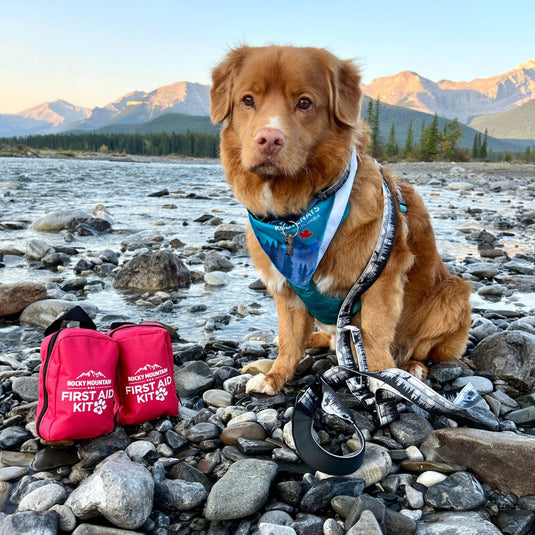
- Carry a pet first aid kit.
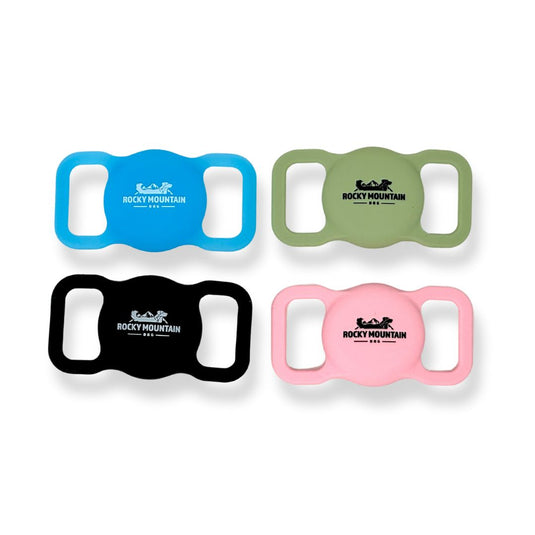
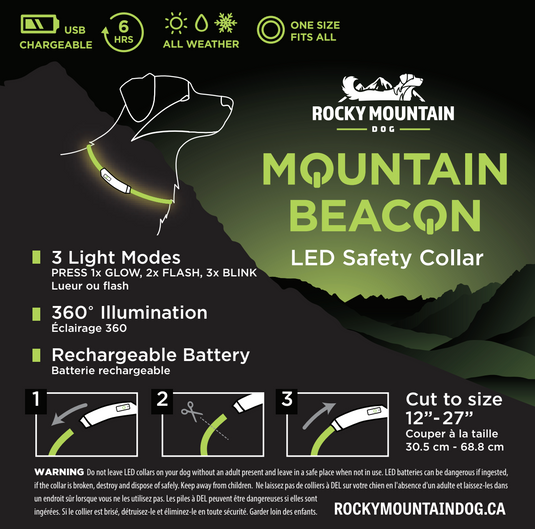
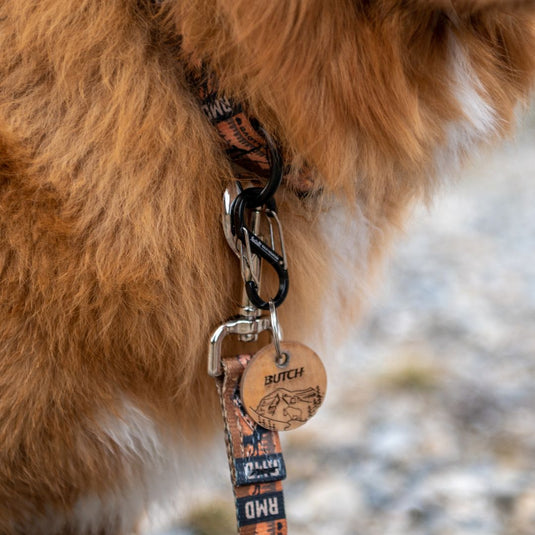
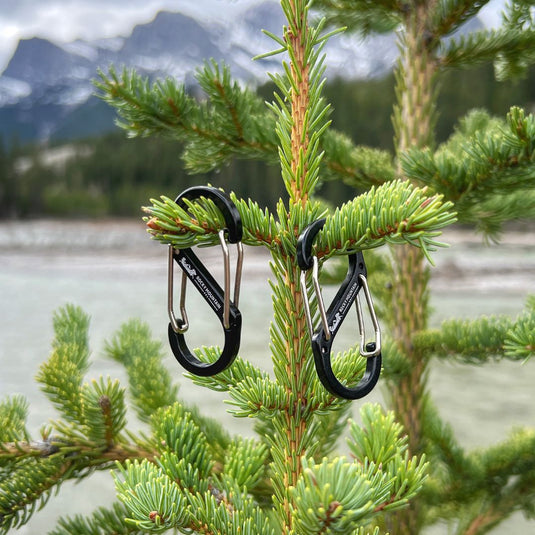
- Make sure your dog's ID tags and microchip information are up to date. A holder makes it easier to attach to your dog.