
Collar vs Harness: How To Decide Which is Best for Your Dog
As the owner of a canine companion, one thing is certain: walks are part of everyday life. When heading out the door, you may find yourself wondering which gear is best for keeping your dog safe, comfortable, and close by.
With so many dog accessories available today, it’s common for owners to ask the same question: dog collar vs harness - which is better for your dog?
Both collars and harnesses serve important but different purposes. Understanding how each one works can help you choose the option that keeps your dog comfortable, secure, and safe on every walk.
When deciding between a harness vs collar for dogs, the main points to consider are your dog’s breed, behaviour, activity level, and walking habits.
Dog Collars: Best for Identification and Everyday Wear
Dog collars are the traditional choice when it comes to walking your dog and are commonly used to hold things like identification tags, or GPS trackers.
Because they are lightweight and easy to put on and remove, many dogs wear collars throughout the day.
For calm walkers or dogs that rarely pull on the leash, a collar can work well for short walks and quick trips outside.
Types of Dog Collars
Traditional flat collars are a great option for dogs who walk nicely on leash and don’t tend to pull.
Martingale collars are a useful choice for puppies or dogs who are a little Houdini-like in their ability to wriggle out of flat collars. Martingales gently tighten when pressure is applied, helping prevent dogs from slipping out. At Rocky Mountain Dog, we offer both traditional martingale collars and martingale clip collars, giving owners the option of a classic slip style or the convenience of a buckle. You can read more about Martingale collars and dog training in our other blog post here.
To ensure a proper fit, check that the large rings do not touch when pressure is applied.
Martingales are also helpful for dogs with skinny necks, small heads, or for training dogs to understand leash pressure.
When Collars May Not Be Ideal
While collars are convenient, they may not be the best option for every dog.
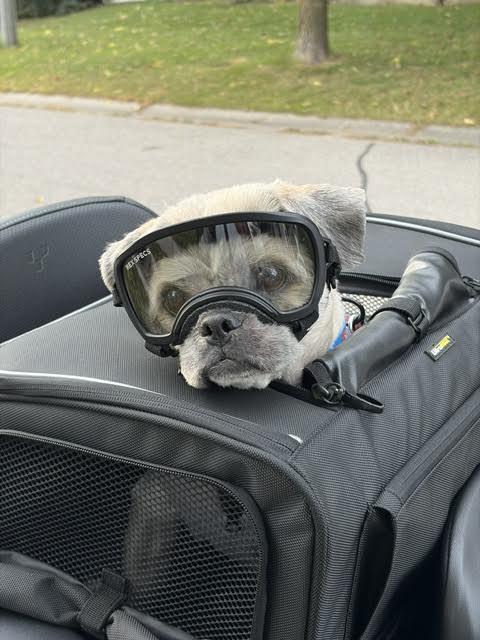
For example, brachycephalic breeds such as pugs or bulldogs are at a higher risk of obstructive airway syndrome. If these dogs pull while wearing a collar, it can cause breathing difficulties or add strain to the airway.
Collars also place pressure directly on the neck, which may not be ideal for dogs that pull strongly on the leash or have sensitive throats.
Overall, collars are an easy and practical option for dogs who walk well on leash and don’t tend to pull.
Dog Harnesses: Better for Walking and Training
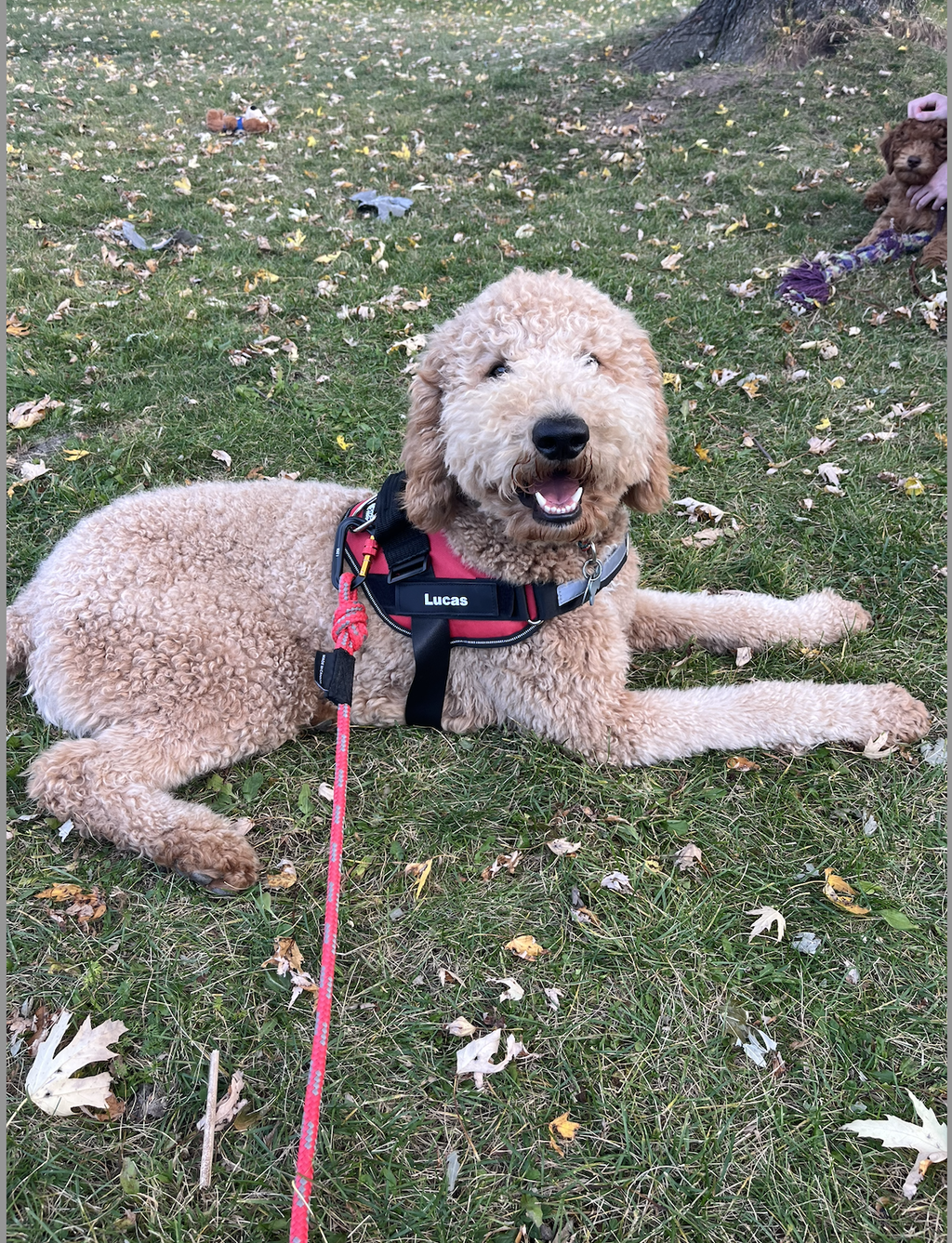
Harnesses have become increasingly popular for dogs that need more support, control, or comfort during walks.
Unlike collars, harnesses distribute pressure across a dog’s chest and shoulders rather than the neck, which can make them a safer option for many dogs.
Harnesses are especially helpful for:
- Dogs that pull on the leash
- Puppies learning leash manners
- Small breeds with delicate necks
- Dogs with respiratory or neck sensitivities
- Active dogs who need extra stability and control
Because of the improved control and safety they offer, harnesses are often recommended for daily walks, training sessions, and outdoor adventures.
Harnesses for Active Dogs
Harnesses can be a great option for active dogs that love getting out on the trail. The Summit All Terrain Dog Harness is designed with adventure in mind, featuring a built-in handle that allows you to help your dog over obstacles, provide extra support on challenging terrain, or assist older dogs when they need a little help standing or navigating uneven ground. It also includes a front leash attachment that can help discourage pulling by gently redirecting your dog’s movement if they surge ahead. Like any piece of gear, a harness should always be properly fitted to ensure comfort and allow your dog to move naturally during walks and outdoor adventures. A poorly fitted harness can affect movement or cause discomfort.

Dog Collar vs Harness: Which Should You Choose?
When comparing a dog collar vs harness, neither option is automatically better in every situation.
Collars are simple, convenient, and ideal for holding identification tags.
Harnesses offer better control and can be a safer choice for dogs that pull or require more support during walks.
The best option ultimately depends on your dog’s size, behaviour, and activity level.
Should Dogs Wear Collars or Harnesses?
Many dog owners choose not to pick just one option.
Instead, they use both:
- A collar for tags and everyday wear
- A harness for walks, hikes, and training
This combination allows your dog to stay identifiable while also enjoying the comfort and control that a harness provides during outdoor activities.
One or the Other: How About a Duo?
Your final answer in the decision between a collar or harness doesn’t have to be one or the other. Many professional trainers use both products depending on comfort and convenience.
Assess your dog’s needs and remember that every dog is different. Choose the gear that allows your canine companion to move freely and comfortably while keeping them safe on your adventures together.
The Goal: Safe, Comfortable Walks
Whether you choose a collar, a harness, or both, the most important thing is selecting gear that fits properly and supports your dog’s natural movement.
The right walking gear helps make every outing safer, more enjoyable, and stress-free for both you and your dog.
Here at Rocky Mountain Dog, we believe in being wild, being different, and joining in the adventure of life. Our durable dog collars are perfect everyday accessories inspired by the great outdoors, and our Summit All Terrain Harness is built for dogs who love to explore the Rockies.
Browse through our collection of all-weather collars and adventure-ready harnesses before your next expedition.
Happy adventuring.